Identitas nasional sebagai benteng ketahanan budaya lokal dari pengaruh asing
Keywords:
National identity, local culture, cultural resilience, globalization, foreignAbstract
National identity represents the collective values, culture, and history of a nation and serves as a foundation for maintaining sovereignty and unity. In the context of Indonesia, national identity is reflected not only in state symbols but also in the country's rich and diverse local cultural heritage. This cultural diversity strengthens the spirit of nationalism and becomes a crucial element of social cohesion. In the era of globalization, however, local cultures face significant challenges due to the influx of foreign influences through media, technology, and trade. Uncontrolled cultural assimilation may weaken local values and erode the nation's identity. Therefore, reinforcing national identity is vital as a cultural defense mechanism to protect local heritage from the negative impacts of foreign culture. Efforts to preserve local culture must go hand in hand with instilling nationalist values from an early age through education, cultural policies, and community engagement. By strengthening national identity, Indonesia can safeguard its local cultures as irreplaceable treasures while selectively adapting to global influences.
Downloads
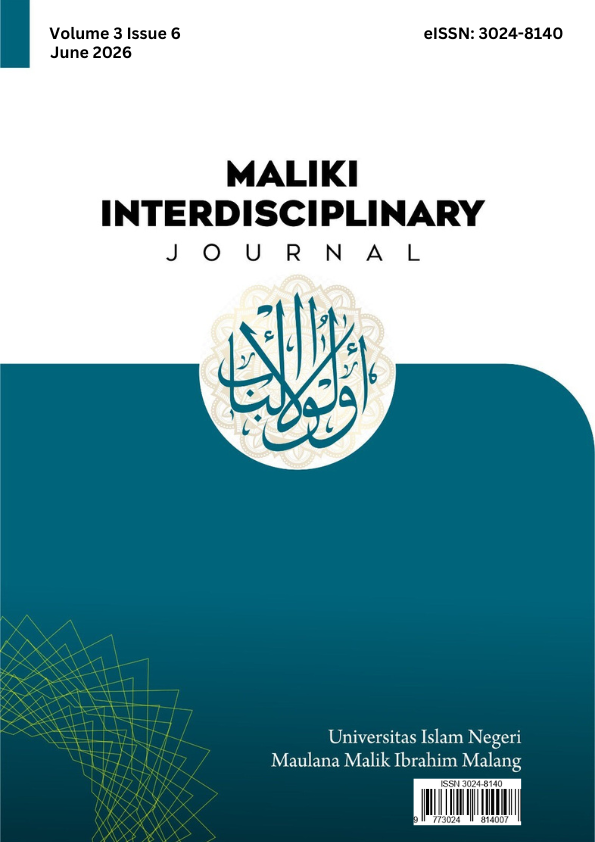
Downloads
Published
How to Cite
Issue
Section
License
- Authors retain copyright and grant the journal right of first publication with the work simultaneously licensed under a Creative Commons Attribution License that allows others to share the work with an acknowledgement of the work’s authorship and initial publication in this journal.
- Authors are able to enter into separate, additional contractual arrangements for the non-exclusive distribution of the journal’s published version of the work (e.g., post it to an institutional repository or publish it in a book), with an acknowledgement of its initial publication in this journal.
- Authors are permitted and encouraged to post their work online (e.g., in institutional repositories or on their website) prior to and during the submission process, as it can lead to productive exchanges, as well as earlier and greater citation of published work.

