Transformasi pembelajaran di madrasah
Integrasi blended learning dan hybrid learning
Abstract
The integration of blended and hybrid learning models has gained significant importance in modern education, particularly in madrasah settings. Blended learning combines face-to-face and online instruction, offering flexibility and enhancing the learning experience by accommodating various student needs. Hybrid learning, on the other hand, merges classroom interaction with digital platforms, allowing for a more adaptive and personalized approach to learning. Both methods have been shown to improve student engagement, facilitate access to diverse learning resources, and enhance the mastery of both academic and religious subjects in madrasah. However, the implementation of these learning models faces several challenges, including limited technological infrastructure, disparities in digital literacy among teachers and students, and the need to align digital content with Islamic educational values. This study examines the impact of blended and hybrid learning on educational outcomes in madrasahs and explores strategies to optimize their application, supporting holistic learning experiences that encompass academic excellence and spiritual development.
Downloads
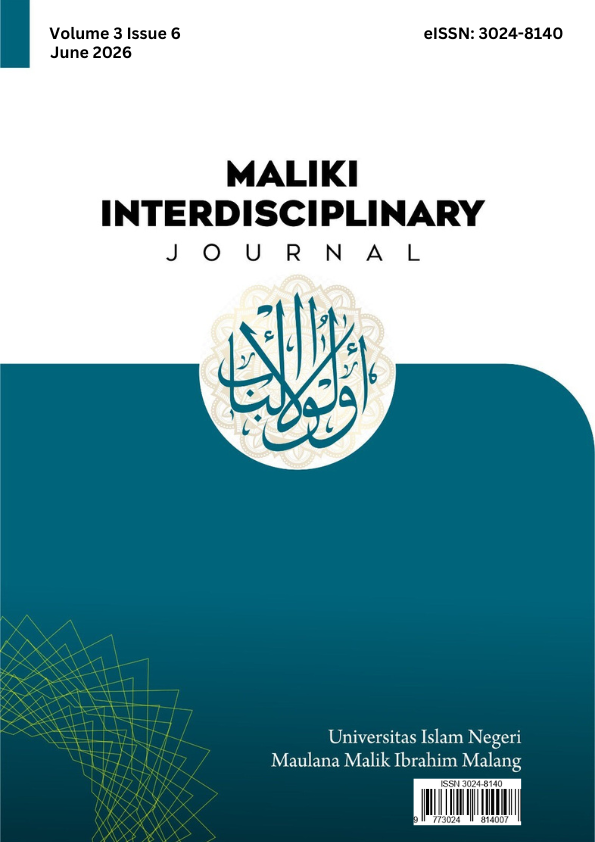
References
Abidin, J., Erwina Azizah Hasibuan, & Mahdalia Harahap. (2023). The Effect of Online Learning VS Face-To-Face Learning on Student Learning Motivation Post the Covid—19 Pandemic at Schools and Colleges. JOURNAL OF DIGITAL LEARNING AND DISTANCE EDUCATION, 1(8), 329–337. https://doi.org/10.56778/jdlde.v1i8.76
Amelia, R., & Wibowo, A. M. (2024). The Development of Blended Learning-Based Digital Teaching Materials on Kinematics for Islamic Primary School Prospective Teachers in Science Learning. Al-Bidayah : Jurnal Pendidikan Dasar Islam, 16(1), 91–112. https://doi.org/10.14421/al-bidayah.v16i1.9573
Amin, S., Sumarmi, S., & Prasad, R. R. (2023). Social science education students’ preparedness for problem-based hybrid learning. Journal of Education and Learning (EduLearn), 17(1), 76–84. https://doi.org/10.11591/edulearn.v17i1.20652
Fauziyah, L., Mustofa, L., Suseno, Z. A., & Nugraheni, Q. A. J. (2024). Implementasi Moderasi Beragama pada Program Qiroatul Kutub, Tadarus Al-Qur’an, dan Kegiatan Pondok Ramadhan di MAN 3 Kediri. Jurnal Masyarakat Religius Dan Berwawasan, 3(1), 77–84.
Helsa, Y., Marasabessy, R., Juandi, D., & Turmudi, T. (2022). Penerapan Hybrid Learning di Perguruan Tinggi Indonesia: Literatur Review. Jurnal Cendekia : Jurnal Pendidikan Matematika, 7(1), 139–162. https://doi.org/10.31004/cendekia.v7i1.1910
Mustofa, L. (2024). Implikasi Metode Pembelajaran Kooperatif: Make a Match dalam Meningkatkan Hasil Kognitif Siswa pada Pembelajaran Al-Qur’an Hadits Kelas XI Program Keagamaan MAN 3 Kediri. Maliki Interdisciplinary Journal, 2(11), 1231–1239.
Mustofa, L. (2025a). Cinta Universal Jalaluddin Rumi: Implikasinya terhadap Pendidikan Multikultural di Indonesia. Academic Journal of Islamic Principles and Philosophy, 6(1).
Mustofa, L. (2025b). Relevansi konsep pendidikan akhlak menurut Jalaluddin Rumi dalam buku Fihi Ma Fihi terhadap pendidikan akhlak kontemporer. Universitas Islam Negeri Maulana Malik Ibrahim.
Muttaqien, M. I., Mustofa, L., Yumnansa, F. R., Malik, M. M., & Buzairi, M. (2024). Peran Kepemimpinan dalam Membangun Model Pembaharuan Lembaga Pendidikan. Jurnal Kolaboratif Sains, 7(1), 491–497.
Naaziyah, Z., & Wati, T. L. (2024). Penerapan Hybrid Learning Pada Motivasi Belajar Siswa Kelas 2A SD Islam Sari Bumi Sidoarjo. Jurnal Pendidikan Guru Sekolah Dasar, 1(3), 9. https://doi.org/10.47134/pgsd.v1i3.409
Rahayu, T., Mayasari, T., & Huriawati, F. (2019). Pengembangan Media Website Hybrid Learning berbasis Kemampuan Literasi Digital dalam Pembelajaran Fisika. Jurnal Pendidikan Fisika, 7(1), 130. https://doi.org/10.24127/jpf.v7i1.1567
Riyanda, A. R., Agnesa, T., Wira, A., Ambiyar, A., Umar, S., & Hakim, U. (2022). Hybrid Learning: Alternatif Model Pembelajaran di Masa Pandemi Covid-19. Jurnal Basicedu, 6(3), 4461–4469. https://doi.org/10.31004/basicedu.v6i3.2794
Setiawan, A. (2019a). Conceptual of Blended Learning as Islamic Education Study Program Learning Reform Action in Digital Era 4.0. SYAMIL: Jurnal Pendidikan Agama Islam (Journal of Islamic Education), 7(2), 119–129. https://doi.org/10.21093/sy.v7i2.1827
Setiawan, A. (2019b). Implementation of Islamic Education Study Program Learning Based on Blended Learning in the Industrial Era 4.0 at IAIN Samarinda. Dinamika Ilmu, 19, 305–321. https://doi.org/10.21093/di.v19i2.1781
Sulaeman, R. (2022). Penerapan Model Hybrid learning pada Pemahaman Siswa di SMP Negeri 1 Kota Bogor. Reslaj : Religion Education Social Laa Roiba Journal, 5(5), 2569–2575. https://doi.org/10.47467/reslaj.v5i5.2398
Susilawati, S., Yasin, A. F., & Hambali, Moh. (2020). Model Pembelajaran Blended Learning Untuk Meningkatkan Kualitas Belajar Mahasiswa Universitas Islam Negeri Maulana Malik Ibrahim Malang. Edumaspul: Jurnal Pendidikan, 4(1), 329–341. https://doi.org/10.33487/edumaspul.v4i1.381
Sutiah, S., & Supriyono, S. (2020). Improvement of e-learning based on hybrid learning methods at the university in the era of industrial revolution 4.0. International Journal of Advanced Science and Technology, 29(6), 2137–2142.
Wahyu Ningsih, N. I., & Yuliana, F. (2024). Blended Learning and Hybrid Learning. Journal of International Multidisciplinary Research, 2(5), 294–302. https://doi.org/10.62504/jimr476
Wahyuni, N., & Ayyubi, M. R. A. (2023). THE APPLICATION OF BLENDED LEARNING MODEL IN LEADERSHIP TRAINING AT THE PUSLATBANG KHAN LAN. Jurnal Transformasi Administrasi, 13.
Copyright (c) 2025 Labib Mustofa, Amiliya Nur Rosyidah, Samsul Susilawati

This work is licensed under a Creative Commons Attribution-NonCommercial-ShareAlike 4.0 International License.
- Authors retain copyright and grant the journal right of first publication with the work simultaneously licensed under a Creative Commons Attribution License that allows others to share the work with an acknowledgement of the work’s authorship and initial publication in this journal.
- Authors are able to enter into separate, additional contractual arrangements for the non-exclusive distribution of the journal’s published version of the work (e.g., post it to an institutional repository or publish it in a book), with an acknowledgement of its initial publication in this journal.
- Authors are permitted and encouraged to post their work online (e.g., in institutional repositories or on their website) prior to and during the submission process, as it can lead to productive exchanges, as well as earlier and greater citation of published work.


